
AI and Technology in the Iran–USA–Israel Conflict: Cyberwarfare, Misinformation & Military Tech
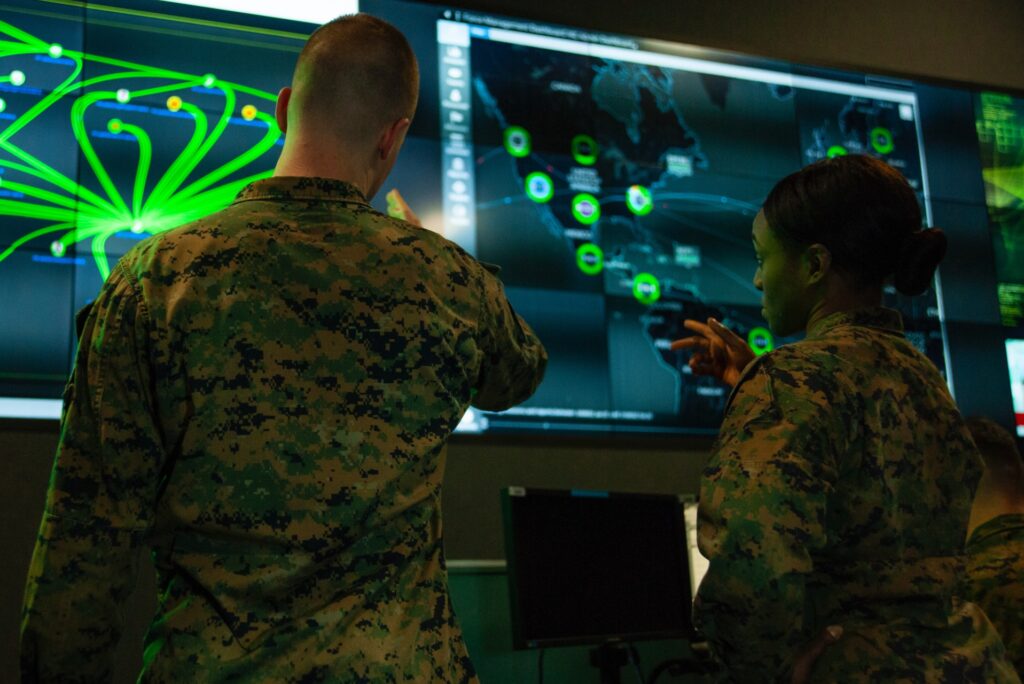
The ongoing military confrontation involving Iran, the United States, and Israel in 2026 is unlike previous conflicts — not only due to traditional weapons, but because modern technologies like artificial intelligence (AI), cyber operations, and digital misinformation are now central to how warfare is waged and perceived globally. :contentReference[oaicite:0]{index=0}
What Role Does AI Play in Modern Warfare?
Artificial intelligence is no longer just a research topic — it is now integrated into military planning, targeting, and information operations. In recent operations, advanced AI systems have accelerated how quickly targets are identified and prioritized. :contentReference[oaicite:1]{index=1}
For example, the U.S. military has reportedly used AI tools integrated with systems like the Pentagon’s Project Maven, a Department of Defense initiative that uses machine learning and computer vision to analyze intelligence and support real‑time decision making. :contentReference[oaicite:2]{index=2}
In some reported cases, AI systems processed massive amounts of surveillance and sensor data to recommend potential targets, effectively speeding up operations that once took weeks into near‑real‑time analysis. :contentReference[oaicite:3]{index=3}
AI in Cyberwarfare & Digital Operations
The conflict has also moved into cyberspace. Coordinated cyber operations have reportedly been conducted by Israel, the United States, and Iran, targeting digital infrastructure, communications networks, and information systems. :contentReference[oaicite:4]{index=4}
- Digital attacks on command and control networks to disrupt Iranian military coordination. :contentReference[oaicite:5]{index=5}
- Compromise of mobile traffic systems and broadcast channels as part of information warfare. :contentReference[oaicite:6]{index=6}
- Iranian pro‑hacktivist groups threatening retaliatory cyberattacks. :contentReference[oaicite:7]{index=7}
Such cyber operations demonstrate that the digital domain is now a critical front in military confrontations, often supporting kinetic strikes on the ground. :contentReference[oaicite:8]{index=8}
AI‑Generated Misinformation & Deepfakes
Artificial intelligence is also being used to shape public perception and influence the information environment. Deepfake videos — AI‑generated synthetic media — and other manipulated visuals have spread worldwide, falsely claiming to show events that never happened. :contentReference[oaicite:9]{index=9}
For instance, clips purporting to show attacks on cities or military bases were later confirmed to be AI‑generated or repurposed from unrelated sources — including video game footage. :contentReference[oaicite:10]{index=10}
Major fact‑checking efforts have flagged this wave of misleading content circulating on platforms like :contentReference[oaicite:11]{index=11}, :contentReference[oaicite:12]{index=12} and Instagram, showing how AI is being used to distort reality in real time. :contentReference[oaicite:13]{index=13}
Technology Companies and Strategic Vulnerability
The modern battlefield now includes not just physical targets but economic and technological infrastructure. Reports have highlighted warnings from Iran that U.S. technology firms — including major cloud providers and AI developers — could become targets because of their ties to military technologies and data infrastructure used in conflicts. :contentReference[oaicite:14]{index=14}
Such warnings highlight how economic and digital networks are now viewed as strategic assets and vulnerabilities in geopolitical confrontations. :contentReference[oaicite:15]{index=15}
Ethical, Legal & Humanitarian Concerns
The use of artificial intelligence in military contexts raises serious ethical questions. Critics warn that reliance on automated systems for targeting decisions can blur lines of accountability, especially when civilians are at risk. :contentReference[oaicite:16]{index=16}
Legal scholars and humanitarian organizations emphasize that AI‑aided warfare must still comply with international law, and that automation should not replace human judgment in life‑and‑death decisions. :contentReference[oaicite:17]{index=17}
Internal Reading
Dive deeper into the role of artificial intelligence in digital conflicts with our related AI article: 10 Best AI Tools for Beginners in 2026 15 best ia tools for beginners in 2026 Character AI: The Viral AI Chat Platform Trending in the USA
Frequently Asked Questions (FAQ)
How is AI used in military targeting?
AI is used to analyze large volumes of data from satellites, sensors and surveillance to help human analysts prioritize targets more quickly and accurately. :contentReference[oaicite:18]{index=18}
Are deepfakes really used in war reporting?
Yes — AI‑generated deepfakes and manipulated videos have been widely shared in connection with this conflict, complicating efforts to verify real events. :contentReference[oaicite:19]{index=19}
Can cyber operations influence physical war outcomes?
Absolutely. Cyberattacks on military networks and infrastructure can disrupt communication and logistics, influencing broader military operations. :contentReference[oaicite:20]{index=20}
Conclusion
The conflict involving Iran, the United States and Israel in 2026 is emblematic of how modern warfare is shaped not only by bombs or missiles but by artificial intelligence, cyber operations, and information campaigns. As technologies evolve, so too do the methods used to wage war — raising complex questions about ethics, accountability, and the future of conflict in a digitally interconnected world.
Comments
Post a Comment